


Address:
3535 US-1 Suite 416
Princeton, NJ 08540


How OptiLift Helps Aging Eyelids That Affect Vision and Eye Comfort
Aging Eyelids Can Affect More Than Appearance
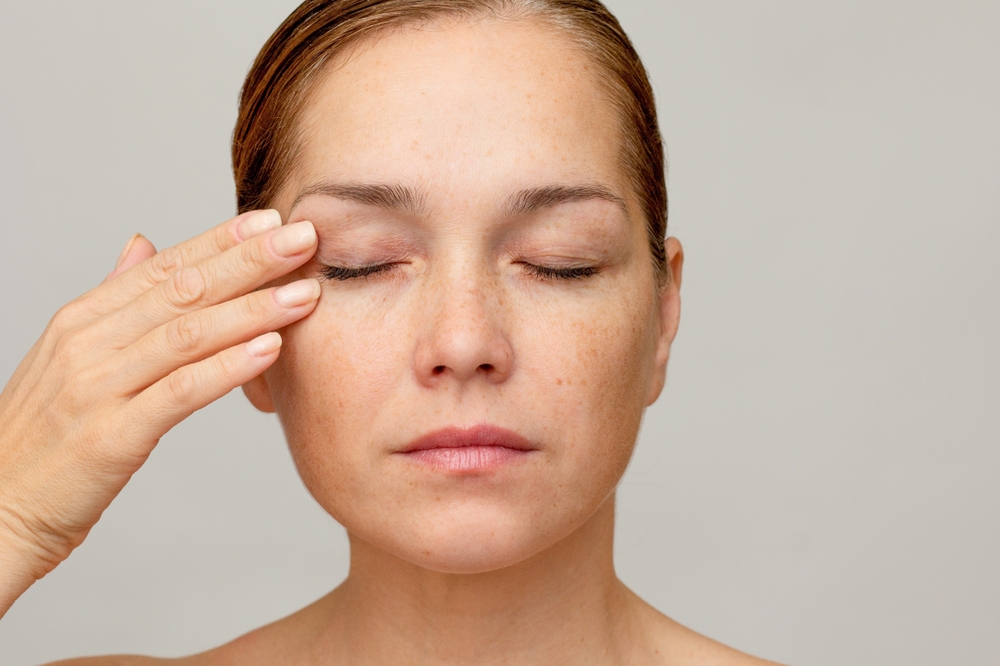
As the skin and muscles around the eyes age, the eyelids can begin to lose firmness and support. For some patients, this creates a tired or droopy appearance. For others, it can also affect the way the eyelids protect the surface of the eye.
At Eye Care Associates of Princeton, we look at eyelid health as part of overall eye comfort and function. When the lower lids become lax or blinking becomes less complete, the eyes may feel dry, irritated, watery, or strained throughout the day.
Why Lower Eyelid Laxity Matters
The lower eyelids help spread tears evenly across the eye every time you blink. When the lid does not sit properly against the eye, the tear film may become unstable. This can lead to more evaporation, less lubrication, and ongoing discomfort.
Patients may notice symptoms such as blurry vision, burning, redness, foreign body sensation, or eyes that feel tired even after rest. These concerns are often connected to dry eye, but eyelid structure and blink quality can play a major role.
What Is OptiLift?
OptiLift is a non-invasive treatment designed to improve eyelid tone, support better blinking, and refresh the appearance of the eye area. It uses advanced technology to help activate and strengthen the muscles around the eyelids while supporting skin firmness.
For patients who want a non-surgical option, OptiLift may be a helpful choice when aging eyelids are contributing to eye discomfort, incomplete blinking, or lower lid laxity.
How OptiLift Supports Eye Comfort
Healthy blinking is essential for comfortable vision. Each blink helps distribute tears, support oil gland function, and protect the surface of the eye. When eyelid muscles weaken, blinking may become less effective, which can make dry eye symptoms worse.
OptiLift helps by supporting the muscles involved in lower eyelid movement and tone. By improving the way the eyelids function, treatment may help the eyes retain moisture more effectively and feel more comfortable during daily activities like reading, driving, working on a computer, or wearing contact lenses.
Signs OptiLift May Be Right For You
OptiLift may be worth considering if you are bothered by both eyelid aging and eye discomfort. Common concerns include:
- Lower eyelids that look loose, sagging, or tired
- Dry, gritty, burning, or irritated eyes
- Watery eyes caused by poor tear stability
- Blurry vision that comes and goes
- Incomplete blinking or tired eyes during screen use
- Interest in a non-surgical eyelid rejuvenation option
A Personalized Approach To Eyelid And Dry Eye Care
At Eye Care Associates of Princeton, we do not take a one-size-fits-all approach to dry eye or eyelid concerns. We evaluate your symptoms, eye surface health, tear film, and eyelid function to determine whether OptiLift fits your needs.
Some patients may benefit from OptiLift alone, while others may need a broader dry eye treatment plan. Our goal is to help improve both comfort and function while supporting a refreshed, natural-looking eye appearance.
Supporting Healthier Eyes With Advanced Care
Aging eyelids can affect how your eyes look, but they can also change how your eyes feel and function. By addressing lower lid laxity and blink quality, OptiLift gives us another way to help patients who struggle with dry eye symptoms, eye fatigue, or changes around the eyelids.
To learn more about OptiLift and whether it may be right for your eyes, contact Eye Care Associates of Princeton in Princeton, NJ by calling (609) 536-1017.

© 2026 Eye Care Associates of Princeton. All rights Reserved - Accessibility Statement - Privacy Policy - Sitemap
Powered by
