


Address:
3535 US-1 Suite 416
Princeton, NJ 08540


Keratoconus in Children & Teens: Why Early Detection Matters
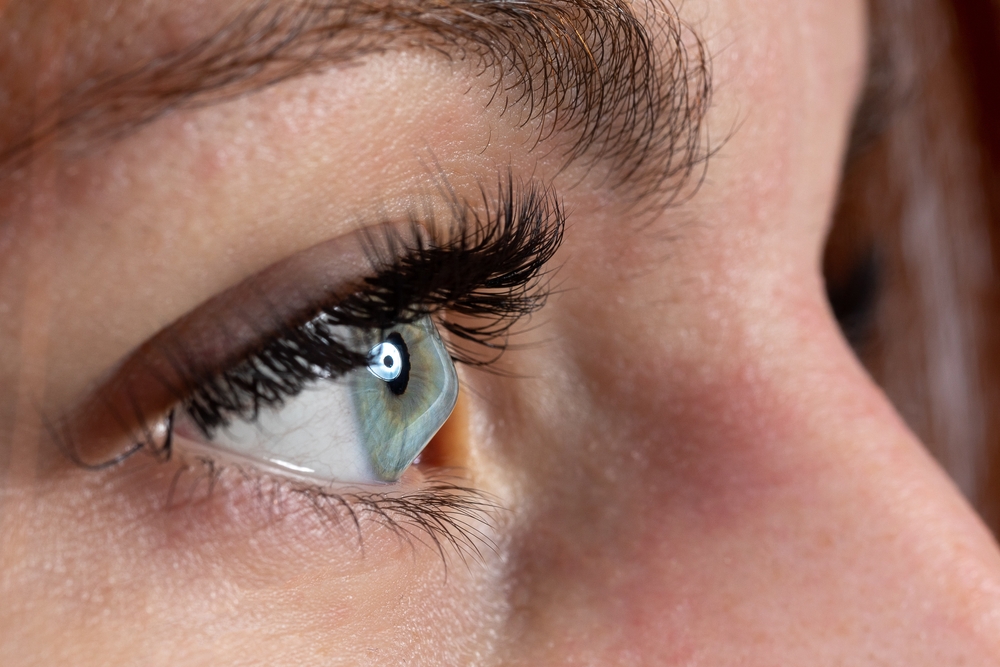
Keratoconus is a progressive eye condition that can begin earlier than many people realize. When keratoconus develops at a young age, it tends to worsen more rapidly, making early detection especially important. Identifying the condition through comprehensive eye exams allows for timely management and better long-term visual outcomes.
What Is Keratoconus?
Keratoconus is a progressive eye condition in which the cornea - the clear, dome-shaped front surface of the eye - gradually thins and bulges outward into a cone-like shape. This irregular shape prevents light from focusing properly on the retina, leading to distorted and blurred vision. In children and teens, keratoconus can be especially concerning because their eyes are still developing, and vision changes may progress faster than in adults.
Signs of Keratoconus in Children and Teens
Keratoconus can be difficult to detect early because its symptoms often resemble common vision problems. Parents and caregivers should be aware of potential warning signs, including:
Frequently changing eyeglass or contact lens prescriptions
Blurry or distorted vision that glasses don’t fully correct
Increased sensitivity to light or glare
Difficulty seeing clearly at night
Eye rubbing, which has been linked to keratoconus progression
Because children may not always recognize or communicate changes in their vision, routine eye exams play a vital role in identifying subtle signs early.
Why Early Detection Is So Important
When keratoconus begins at a younger age, it often progresses more aggressively. Detecting the condition early allows eye doctors to monitor changes closely and take steps to slow progression, preserve vision, and reduce the risk of long-term complications.
Early diagnosis can help:
Prevent severe vision loss
Reduce dependence on frequent prescription changes
Identify candidates for early intervention and specialty treatments
Improve long-term visual outcomes
Without early detection, keratoconus may advance to a point where vision becomes difficult to manage with traditional corrective lenses.
The Role of Comprehensive Eye Exams
Comprehensive eye exams go beyond basic vision screenings. They allow your eye doctor to evaluate the overall health and structure of the eyes, including the cornea. Advanced diagnostic testing can detect subtle corneal changes long before symptoms become severe.
For children and teens - especially those with a family history of keratoconus, frequent prescription changes, or persistent vision complaints - regular comprehensive eye exams are essential for early identification and proactive care.
Specialty Contact Lenses for Keratoconus
While standard glasses and soft contact lenses may not provide clear vision as keratoconus progresses, specialty contact lenses can be highly effective. These lenses are custom-designed to compensate for the irregular shape of the cornea, helping improve visual clarity and comfort.
Specialty lens options may include:
Rigid gas permeable (RGP) lenses
Hybrid contact lenses
Scleral lenses, which vault over the cornea for enhanced comfort and stability
For children and teens diagnosed with keratoconus, specialty contact lenses can significantly improve daily functioning, academic performance, and overall quality of life.
Explore Specialized Care for Keratoconus
Keratoconus in children and teens is a serious but manageable condition - especially when detected early. With regular comprehensive eye exams and access to advanced treatment options like specialty contact lenses, young patients can maintain clearer vision and protect their long-term eye health. Early detection truly makes a difference.
If your child or teen is experiencing vision changes, frequent prescription updates, or ongoing visual discomfort, don’t wait. Contact Eye Care Associates of Princeton to schedule a comprehensive eye exam and explore treatment options for Keratoconus. Visit our office in Princeton, New Jersey, by call (609) 536-1017 to book an appointment today.

© 2026 Eye Care Associates of Princeton. All rights Reserved - Accessibility Statement - Privacy Policy - Sitemap
Powered by
