


Address:
3535 US-1 Suite 416
Princeton, NJ 08540


Outdoor Time vs. Screen Time: How It Affects Myopia Progression
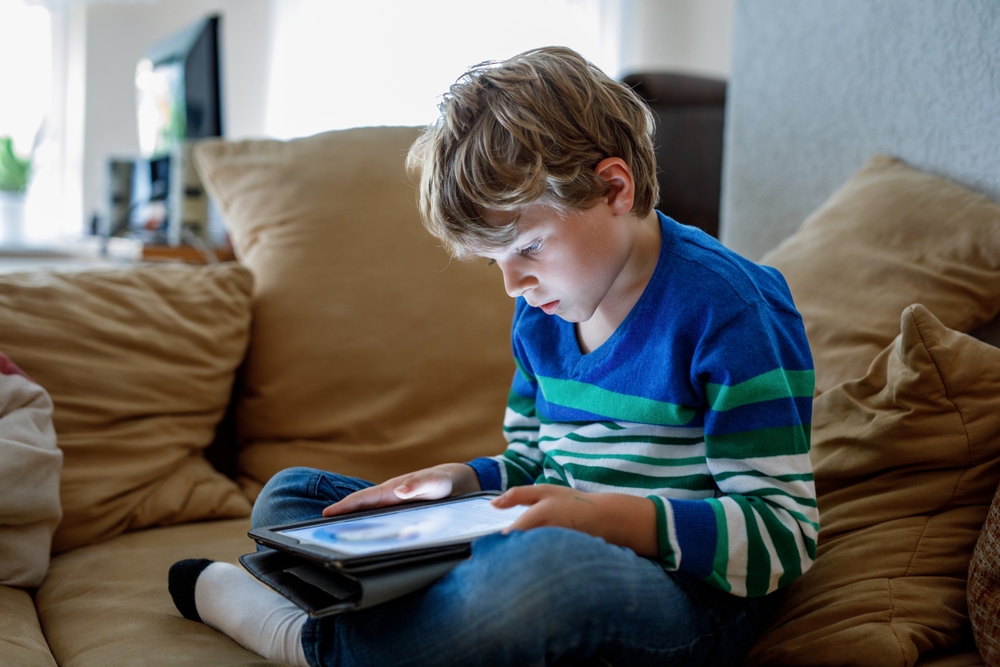
Myopia is becoming increasingly common among children and teens - largely due to modern lifestyle habits. At Eye Care Associates of Princeton, we provide comprehensive myopia management in Princeton, NJ to help children maintain clearer, healthier vision as they grow. Here’s what parents should know about how daily habits influence myopia development.
Why Myopia Is on the Rise
Over the last few decades, myopia rates have dramatically increased worldwide. Research points to two primary contributors:
• Increased screen time and near work (computers, tablets, smartphones, reading)
• Decreased time spent outdoors
These habits can lead to eye strain and encourage the eye to elongate - one of the main causes of myopia progression.
The Benefits of Outdoor Time for Eye Health
Studies from around the world consistently show that children who spend more time outdoors have lower rates of developing myopia. Outdoor light exposure is significantly stronger than indoor lighting, even on cloudy days. This brightness stimulates the release of dopamine in the retina, which helps regulate healthy eye growth.
When children are outdoors, their eyes naturally focus on distant objects rather than up-close screens or books. This reduces the strain associated with prolonged near work. Experts suggest aiming for at least 1.5 to 2 hours of outdoor time daily to help reduce the risk of myopia progression.
How Excessive Screen Time Contributes to Myopia
Screen time isn’t harmful on its own, but long, uninterrupted periods of near work can place a lot of stress on the visual system.
Increased Eye Strain: Focusing up close for long periods forces the eye muscles to work harder, increasing fatigue.
Reduced Blink Rate: Staring at screens leads to fewer blinks per minute, causing dryness and discomfort.
Limited Visual Variety: Screens keep the eyes in a constant state of near focus - one of the leading environmental factors linked to myopia progression.
Finding a Healthy Balance for Your Child
Here are some actionable ways to support your child’s vision:
• Follow the 20-20-20 rule: Every 20 minutes, look at something 20 feet away for 20 seconds.
• Prioritize daily outdoor time, ideally 90 minutes or more.
• Create screen-free breaks between schoolwork, games, and entertainment.
• Use proper screen ergonomics, like keeping devices at least arm’s length away.
• Schedule regular eye exams to detect and manage myopia early.
How Myopia Management Can Help
While lifestyle habits play an important role, some children will still experience worsening myopia. That’s where professional myopia management comes in. At Eye Care Associates of Princeton, we offer advanced options for myopia management in Princeton, NJ, including:
• Orthokeratology (Ortho-K)
• Multifocal contact lenses
• Atropine therapy
• Customized monitoring and treatment plans
These treatments can slow the progression of myopia and help protect long-term vision.
Schedule Your Child’s Myopia Evaluation Today
Balancing outdoor time and screen time is essential in protecting your child’s visual development. Encouraging daily outdoor activities and limiting prolonged near work can significantly reduce the risk of myopia progression. Combined with professional guidance and treatment, you can help safeguard your child’s vision for years to come.

© 2026 Eye Care Associates of Princeton. All rights Reserved - Accessibility Statement - Privacy Policy - Sitemap
Powered by
