


Address:
3535 US-1 Suite 416
Princeton, NJ 08540


Spring Eye Irritation? How to Tell If It’s Allergies or Dry Eye
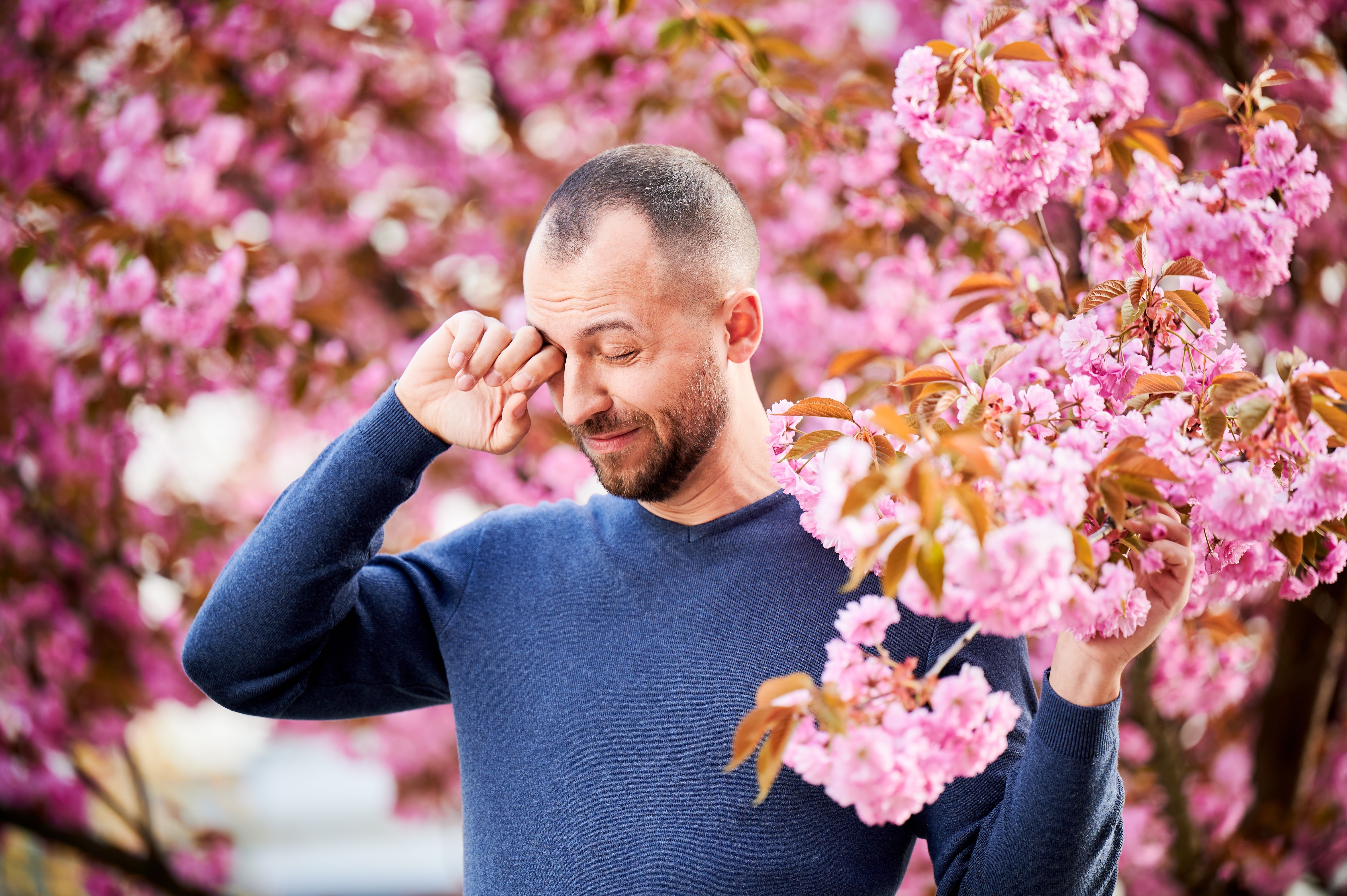
As the weather warms up in Princeton, many people begin to experience red, itchy, watery, or irritated eyes. While spring brings blooming trees and longer days, it also introduces airborne allergens and environmental changes that can stress your eyes. If your symptoms seem persistent or worsening, you may be wondering whether you’re dealing with seasonal allergies or dry eye disease. At Eye Care Associates of Princeton, identifying the true source of your discomfort is the first step toward lasting relief.
Understanding Eye Allergies
Eye allergies, also known as allergic conjunctivitis, occur when your immune system reacts to allergens such as pollen, mold spores, dust mites, or pet dander. During spring in New Jersey, tree and grass pollen are especially common triggers. When allergens come into contact with the surface of the eye, your body releases histamine and other inflammatory chemicals, leading to irritation and swelling.
The most noticeable symptom of eye allergies is itching. Many patients also experience redness, excessive tearing, swollen eyelids, burning, light sensitivity, and sometimes a stringy discharge. Allergy symptoms typically affect both eyes and may occur alongside sneezing, congestion, or sinus pressure. Because they are tied to environmental exposure, symptoms often flare up seasonally.
What Is Dry Eye?
Dry eye disease is a condition that develops when your eyes do not produce enough tears or when your tears evaporate too quickly. Healthy tears are essential for maintaining a smooth optical surface, clear vision, and overall eye comfort. When the tear film becomes unstable, inflammation and irritation can follow.
Common causes of dry eye include meibomian gland dysfunction (MGD), aging, hormonal changes, prolonged screen time, contact lens use, certain medications, and environmental factors such as wind or dry indoor air.
Symptoms often include burning, stinging, a gritty or sandy sensation, fluctuating or blurry vision, light sensitivity, eye fatigue, and redness. Some patients even experience excessive tearing, which is a reflex response to dryness. Unlike allergies, dry eye rarely causes significant itching.
Key Differences Between Allergies and Dry Eye
Although the two conditions can overlap, there are important distinctions. Itching is typically the hallmark symptom of allergies, while a gritty or scratchy feeling is more common with dry eye. Allergies often appear seasonally and may improve with antihistamine drops, whereas dry eye symptoms can persist year-round and may worsen with certain allergy medications. Additionally, dry eye discomfort often increases later in the day or after prolonged screen use.
It’s also important to understand that you can have both conditions at the same time. Allergies can increase inflammation on the surface of the eye, which may worsen underlying dry eye disease. Because of this overlap, professional evaluation is essential for accurate diagnosis.
Why You Should See Your Eye Doctor in Princeton, NJ
At Eye Care Associates of Princeton, we use advanced diagnostic technology to evaluate tear quality and quantity, meibomian gland function, ocular surface health, and signs of inflammation. This comprehensive assessment allows us to distinguish between allergies, dry eye, or a combination of both.
We develop personalized treatment plans tailored to each patient’s needs. For allergies, treatment may include prescription antihistamine or mast cell stabilizer drops, anti-inflammatory therapy, and guidance on reducing allergen exposure. For dry eye, management may involve prescription medications, therapeutic eye drops, lifestyle modifications, and in-office treatments designed to improve gland function and tear stability.
Advanced Treatment Options
For patients with moderate to severe dry eye or meibomian gland dysfunction, we offer advanced in-office therapies that go beyond artificial tears. NuLIDS PRO is a specialized eyelid treatment that gently exfoliates the eyelid margins to remove debris and biofilm that contribute to gland blockage and inflammation. By improving eyelid hygiene, it helps restore healthier tear production.
Intense Pulsed Light (IPL) therapy is another innovative option. IPL reduces inflammation and improves meibomian gland function, helping stabilize the tear film and provide longer-lasting comfort. These advanced treatments allow us to address the underlying cause of dry eye rather than simply masking symptoms.
Schedule Your Comprehensive Eye Evaluation Today
Spring eye irritation may be common, but it isn’t always straightforward. While allergies and dry eye can look similar, they require different treatment strategies. The key to lasting relief is an accurate diagnosis supported by advanced technology and a personalized care plan.
If you’re experiencing symptoms of allergies or dry eye, schedule a comprehensive evaluation at Eye Care Associates of Princeton for a customized treatment plan designed for lasting relief. Visit our office in Princeton, New Jersey, by call (609) 536-1017 to book an appointment today.

© 2026 Eye Care Associates of Princeton. All rights Reserved - Accessibility Statement - Privacy Policy - Sitemap
Powered by
