


Address:
3535 US-1 Suite 416
Princeton, NJ 08540


What Is the Difference Between a Comprehensive Eye Exam and a Diabetic Eye Exam?
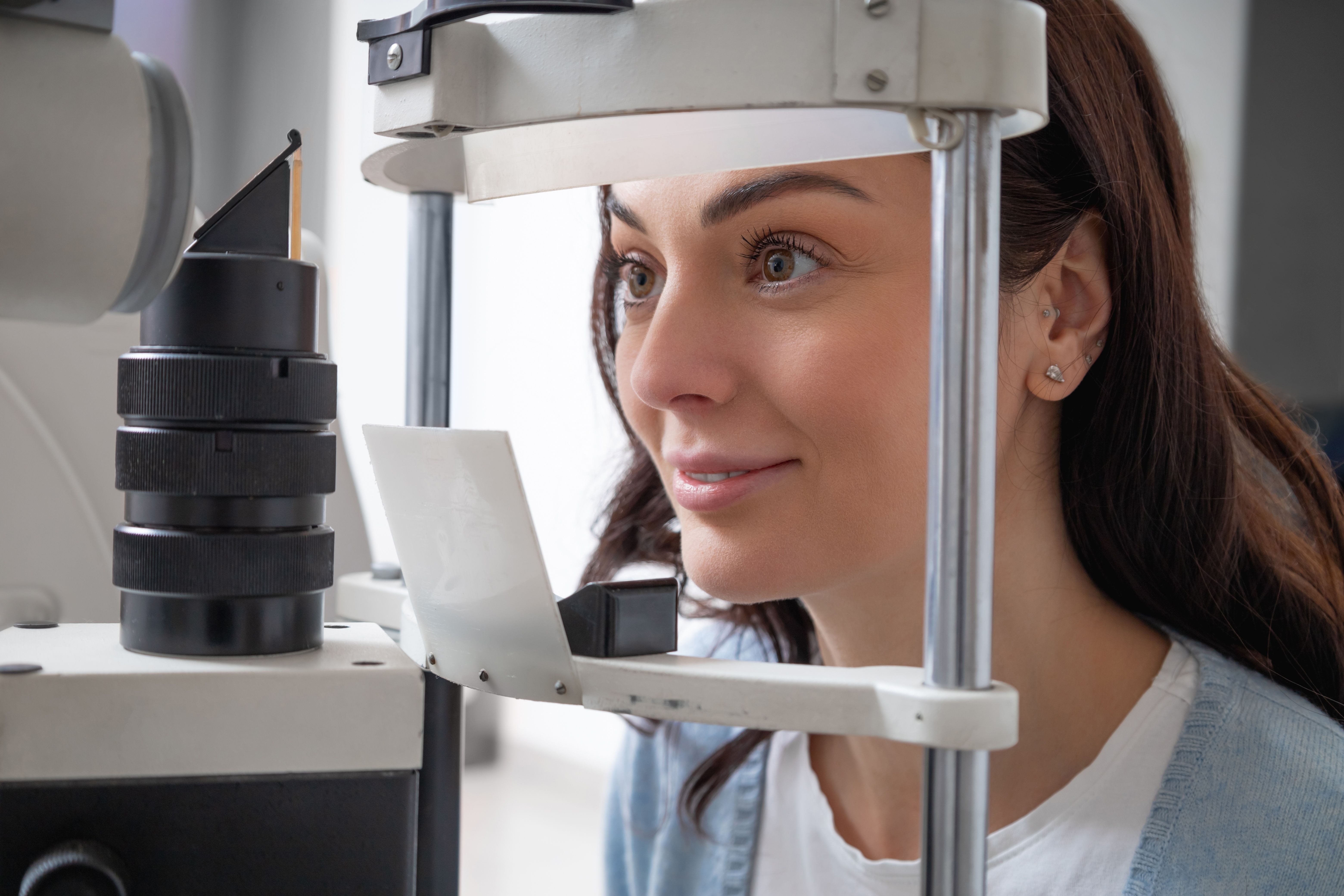
Managing diabetes involves taking care of your entire body, including your eyes. Because diabetes can affect vision in unique ways, eye exams for diabetic patients may look different from routine exams. Understanding the difference between a comprehensive eye exam and a diabetic eye exam can help you stay proactive and confident in your eye care.
What Is a Comprehensive Eye Exam?
A comprehensive eye exam is a full evaluation of your vision and eye health, recommended for patients of all ages. This exam helps detect common vision problems, eye diseases, and early signs of health conditions that may affect the eyes.
During a comprehensive eye exam, your eye doctor may:
• Check your visual acuity to determine if you need glasses or contact lenses
• Assess your eye alignment and focusing ability
• Measure eye pressure to screen for glaucoma
• Examine the health of the front and back of the eye
• Look for early signs of eye conditions such as cataracts, macular degeneration, or dry eye
Comprehensive eye exams are important even if you are not experiencing vision changes, as many eye conditions develop without noticeable symptoms.
What Is a Diabetic Eye Exam?
A diabetic eye exam is specifically designed for patients with diabetes. Diabetes can affect the small blood vessels in the retina, leading to conditions such as diabetic retinopathy, diabetic macular edema, and other vision-threatening complications.
This exam focuses on detecting diabetes-related changes in the eyes, often before symptoms appear. A diabetic eye exam typically includes:
• A detailed evaluation of the retina and blood vessels
• Pupil dilation or advanced retinal imaging to view the back of the eye clearly
• Monitoring for early signs of diabetic retinopathy and other diabetes-related eye diseases
Because diabetes-related eye damage can progress silently, annual diabetic eye exams are critical for preserving long-term vision.
How Are the Two Exams Different?
While both exams evaluate eye health, their goals are different:
• Comprehensive eye exams focus on overall vision and general eye health for all patients.
• Diabetic eye exams specifically target changes caused by diabetes and closely monitor the retina for complications related to blood sugar levels.
For patients with diabetes, a diabetic eye exam often builds upon elements of a comprehensive eye exam but places special emphasis on retinal health and diabetes-related risks.
Schedule Your Eye Exam Today
Both comprehensive eye exams and diabetic eye exams play an essential role in protecting your eyesight. While a comprehensive eye exam evaluates your overall eye health and vision, a diabetic eye exam focuses on detecting and managing diabetes-related eye conditions. Staying consistent with recommended eye exams is one of the most effective ways to prevent vision loss and maintain healthy eyes.
Contact Eye Care Associates of Princeton to schedule your comprehensive or diabetic eye exam and take an important step toward protecting your sight. Visit our office in Princeton, New Jersey, by call (609) 536-1017 to book an appointment today.

© 2026 Eye Care Associates of Princeton. All rights Reserved - Accessibility Statement - Privacy Policy - Sitemap
Powered by
