


Address:
3535 US-1 Suite 416
Princeton, NJ 08540


Dry Eye Treatment
Dry eye disease is a common condition that affects both comfort and vision. It occurs when the eyes do not produce enough quality tears to maintain a healthy ocular surface. At Eye Care Associates of Princeton, our eye doctors focus on identifying the underlying causes of dry eye so we can provide targeted, effective treatment for patients.
What Is Dry Eye?
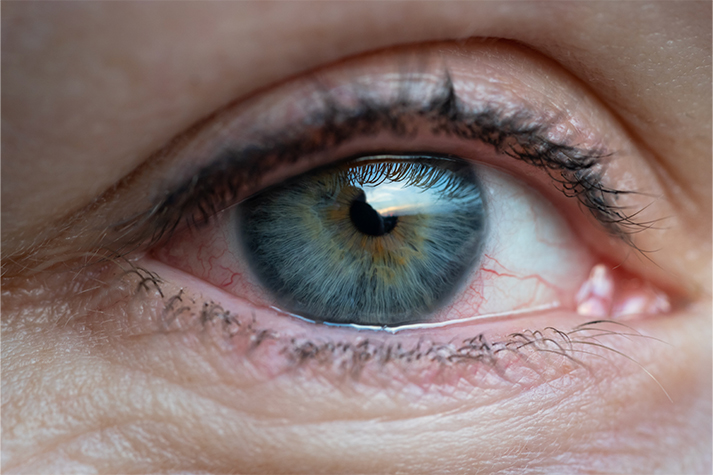
Dry eye disease occurs when your eyes don’t produce enough tears, or when the tears you do produce don’t have the right balance of oil, water, and mucus to keep the surface of the eye healthy. Tears are essential for clear vision and comfort. When the tear film is unstable or inadequate, the eyes can become inflamed, irritated, and uncomfortable.
Common Causes of Dry Eye
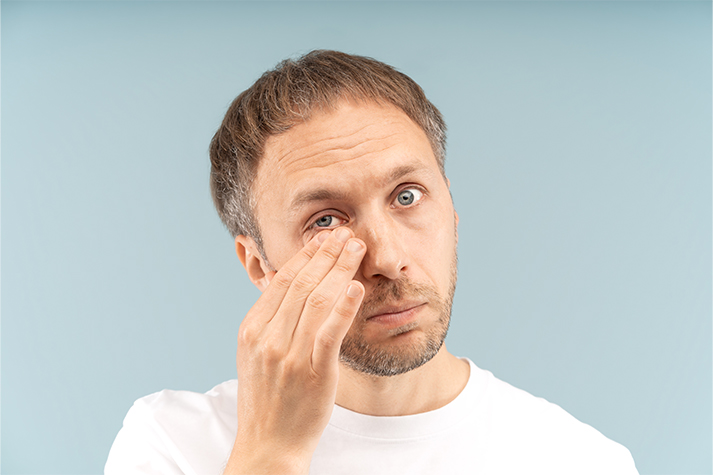
Dry eye can develop for many reasons, and often more than one factor is involved. Common causes include:
Aging - Tear production naturally decreases as we get older.
Meibomian Gland Dysfunction (MGD) - When the oil glands in the eyelids don’t function properly, tears evaporate too quickly.
Blepharitis - Inflammation of the eyelids can disrupt healthy tear production.
Eye surgery - Procedures such as LASIK or cataract surgery can temporarily or permanently affect tear stability.
Contact lens use - Contacts can interfere with the tear film and increase dryness over time.
Allergies - Allergic eye disease can worsen dryness and inflammation.
Medications - Certain prescriptions, including antihistamines, antidepressants, and blood pressure medications, may reduce tear production.
Medical conditions - Autoimmune diseases, diabetes, thyroid disorders, and hormonal changes are often linked to dry eye.
Because dry eye has many potential causes, effective treatment starts with identifying what’s happening beneath the surface.
Symptoms of Dry Eye
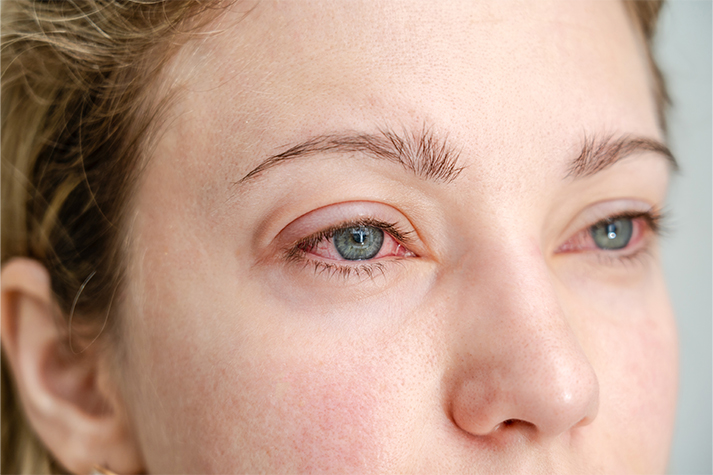
Dry eye symptoms can range from mild to severe and may include:
Burning, stinging, or gritty sensations
Redness or irritation
Blurred or fluctuating vision
Sensitivity to light
Excessive tearing
Eye fatigue, especially during screen use
Discomfort with contact lenses
If these symptoms persist, it’s important to seek care from our eye doctors in Princeton who can determine the underlying cause.
Dry Eye Treatment Options
Dry eye treatment depends on the underlying cause and severity of the condition. Our comprehensive dry eye treatment in Princeton may include one or more of the following options:
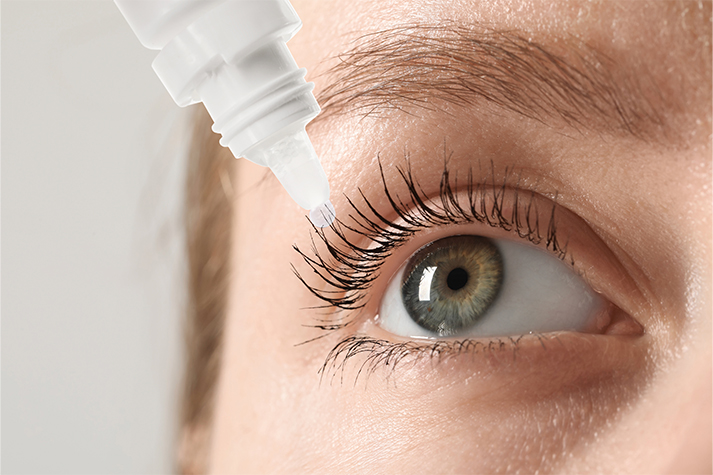
Prescription Eye Drops: Medicated eye drops can help reduce inflammation, improve tear production, and restore balance to the tear film. These are often used when inflammation plays a significant role in dry eye symptoms.
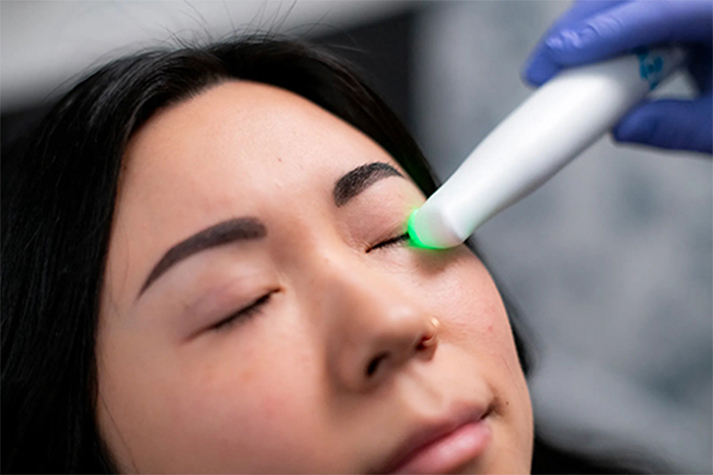
NuLIDS PRO: NuLIDS PRO is an in-office treatment designed to gently clean and stimulate the meibomian glands along the eyelid margins. This helps improve oil flow, reduce gland blockage, and support healthier tears - especially for patients with MGD or blepharitis.
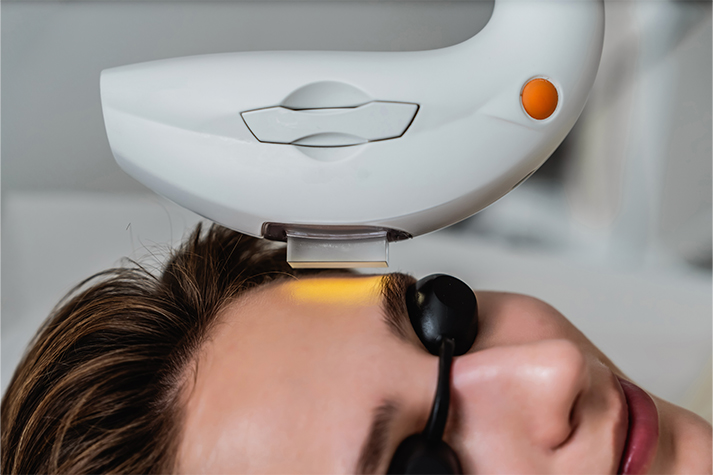
OptiLight Intense Pulsed Light (IPL) Therapy: IPL therapy uses controlled pulses of light to reduce inflammation, improve meibomian gland function, and enhance tear stability. This advanced treatment is particularly effective for chronic dry eye related to MGD and inflammation.
Your eye doctor will recommend the most appropriate combination of treatments based on your specific diagnosis and lifestyle needs.

Find Lasting Relief with Dry Eye Treatment in Princeton
Dry eye is a complex condition, and successful treatment depends on understanding its underlying cause. At Eye Care Associates of Princeton, our eye doctors take a targeted approach to dry eye care, combining precise diagnosis with proven treatment options to improve comfort and eye health.
Schedule a dry eye evaluation in Princeton today and discover personalized treatment options designed for your eyes.

© 2026 Eye Care Associates of Princeton. All rights Reserved - Accessibility Statement - Privacy Policy - Sitemap
Powered by
